


শুরুর কথা

(চরক-সংহিতা-র পাণ্ডুলিপি – উইকিপিডিয়া)
গোড়ায় কয়েকটি বিষয় নিয়ে কথা বলে নেওয়া ভালো।
প্রথম বিষয় – আমি পূর্বে আলোচনা করেছি যে, ভারতীয় গবেষক ও স্কলারদের মধ্যে আয়ুর্বেদের বিভিন্ন সংহিতা এবং খোদ আয়ুর্বেদ নিয়ে দৈবী উৎস, অনন্তকাল ধরে প্রবাহিত এবং অপরবর্তনীয় চরিত্রের, এরকম একটি ধারণা প্রাধান্যকারী অবস্থানে রয়েছে। কিন্তু এক্ষেত্রে স্কলারদের মধ্যে, সংখ্যায় কম হলেও, ব্যতিক্রমও আছে। সাম্প্রতিক সময়ে প্রাচীন ভারতে আয়ুর্বেদ এবং মেডিক্যাল নিয়ে আলোচনা করতে গিয়ে এক গবেষক নিজের অবস্থান পরিষ্কারভাবে ব্যাখ্যা করেছেন – “I look at the system of ancient medicine from a researcher’s point of view, critically examining the given or perceived view on Ayurveda in recent times, in terms of policy and politics. In this sense, it might look like a contrary or counter position to the narrative that one comes across with regard to its origin, place of origin, date, non/religious background, etc.”[1]
তাঁর ব্যাখ্যানুযায়ী, কেনেথ যিস্ক-এর গবেষণা অনুসরণ করে, আয়ুর্বেদের উৎপত্তি কোন বৈদিক বা দৈবিক উৎস নয় – “in all probability must have come from agrarian communities and the ascetic fraternity, definitely not from a priestly or royal background … The present author is not in agreement with the perceived view of many and Indian writer that Ayurveda has its root in the Vedas.”[2] তিনি জোর দিয়েছেন আয়ুর্বেদের ওপরে বস্তুবাদী এবং যুক্তিবাদী দর্শনের একাধিক ধারার প্রভাবের ওপরে।
দ্বিতীয় বিষয় – এক ডাচ স্কলার দেখিয়েছেন যে, চরক-সংহিতা-র মধ্যে বস্তুবাদী দর্শনের বিভিন্ন ধারার প্রভাব কীভাবে প্রতীয়মান হয়।[3] তাঁর ব্যাখ্যানুযায়ী – “A clear confrontation with Lokâyata conceptions occurs in the section on paraloka in Sütrasthäna (CaSû 11: 6-33) … On two other occasions an opinion is brought forward which fits well into the Lokâyata doctrine. In both cases it is an opinion of Bharadvâja; in both cases it is repudiated by Ätreya and not supported by others present.”[4] অধিকন্তু, “Bharadväja thus takes a distinct Lokäyata Standpoint. Ātreya evades the decision, which is, of these and other opinions brought forward, the right one, but argues in favour of putting these opinions side by side (maivam vocata tattvam hi duspräpam paksasamsrayät || CaSü 25: 26cd).”[5]
তাঁর চূড়ান্ত সিদ্ধান্ত – “In Ayurveda – at any case in the Carakasamhitâ – although observable (dṛṣṭa) matter (dravya) figures distinctly, this does not result in acceptance of Lokäyata doctrine and its limitations; and consequently provides medicine with a larger scope. But to make an essential comparison with Lokäyata, it would be necessary to draw up an image of that whereon médical theory is (or: medical theories are) based.”[6]
তৃতীয় বিষয় – কেনেথ যিস্ক তাঁর একটি গবেষণাপত্রে জানিয়েছেন যে, ঐতাহ্যাশ্রয়ী ভারতীয় মেডিসিনের আদি উৎস এবং বিকাশকে পরিষ্কারভাবে বোঝা এক চিরকালীন সমস্যা।[7] তাঁর ধারণায়, ভারতের মেডিক্যাল লিটারেচারের একজন ছাত্রের কাছে নিতান্ত গুরুত্বপূর্ণ বিষয় হচ্ছে যে, প্রাক-আয়ুর্বেদ-এর (অর্থাৎ অন্যান্য বেদ, সংহিতা, এবং, বিশেষ করে, অথর্ববেদ-এ বিদ্যমান “magico-religious” system of medicine) কীভাবে “dramatic paradigm shift”এর মধ্য দিয়ে উত্তীর্ণ হল “to one dominated by a philosophy anchored in empirical and rational principles.”[8] এ উত্তরণের অনুঘটক হিসেবে কাজ করেছে, যিস্ক যেমনটা ব্যাখ্যা করেছেন, বৌদ্ধ মঠ, শ্রমন এবং “ascetic” বৌদ্ধ ভিক্ষুদের চিকিৎসার ধরনের মাঝে।
তাঁর মতে আয়ুর্বেদের আদি অংশ রচনার সময়ে মুক্তমনা ভাবনার প্রাধান্য ছিল এবং গোঁড়া ব্রাহ্মণ্যবাদের সামাজিক ভিত্তি সাময়িকভাবে দুর্বল অবস্থানে ছিল – “Contacts with the world of the Hellenistic west were being made and heterodox religious movements, firmly rooted in asceticism and propagated, among others, by the Buddhists, Jainas and Äjivikas, were becoming popular and attracting large followings. The orthodox Brahmanism of the Vedic tradition appears to have lost its firm grip on the socio-religious life of the Indians and was entering a period of dormancy, anticipating a later resurgence. A close examination of the sources from this transitional period, therefore, sheds much light on the developments in the sphere of medicine.”[9] এক্ষেত্রে তিনি পালি টেক্সট বিনয় পিটিকা-র মহাভাগ্গ অংশ থেকে উদ্ধৃত করেছেন। তিনি মন্তব্য করছেন – “A critical comparison of these passages in the Pali with the corresponding sections in the Sanskrit medical texts of Bhela, Caraka and Susruta demonstrates a fundamental agreement both in language and in overall approach to healing. This strongly suggests that there was a common source or storehouse of medical knowledge upon which early Buddhism and early ayurvéda drew for their respective medical disciplines.”[10] তাঁর যুক্তির স্বপক্ষে বুদ্ধের চিকিৎসক জীবক যে পদ্ধতিতে অসুস্থ বুদ্ধকে সারিয়ে তোলার ক্ষেত্রে “বিরেচন” (purgatives-এর প্রয়োগ) পদ্ধতি ব্যবহার করেছিলেন তার সাথে সুশ্রুত-সংহিতা-য় প্রযুক্ত বিরেচন পদ্ধতির প্রায় হুবহু মিল ও সাদৃশ্য দেখিয়েছেন।[11]
মহাভাগ্গ-তে (MV 8.3133) রয়েছে – “Then Jivaka Komarabhacca, having given the Lord a purgative (বিরেচন) for thirty times all together, having greeted the Lord, departed keeping his right side towards him.”[12] (anujānāmi bhikkhave virecanaṁ pātunti) এরপরে জীবক কুমারভচ্চ তথাগতের সমীপে গেলেন এবং সম্ভ্রমজনক দূরত্ব রক্ষা করে জানতে চাইলেন – “প্রভুর কী বিরেচন হয়েছে?” এর প্রত্যুত্তরে প্রভু জানালেন – “হ্যাঁ, হয়েছে। আমি এখন সুস্থ বোধ করছি।”[13] (MV 8.33) শুরুতে বর্ণনা করা হয়েছে, কীভাবে আগে বুদ্ধকে পদ্মের পাপড়ি দিয়ে শোধিত করা হয়েছিল। এবং যবাগূ (চাল এবং জলের অর্ধ তরল জাউ বা মণ্ড) খাওয়ানো হয়েছিল।
সুশ্রুত-সংহিতা-র সূত্রস্থান-এ রয়েছে – “পদ্ম প্রভৃতি আঘ্রেয় দ্রব্যসমূহ মাখিয়ে আঘ্রাণ করলে বমন হয়ে থাকে। দোষসমূহ অতিরিক্ত প্রকুপিত হলে এরকম বমন কার্যকরী হয়। এরকম বমন দেবার আগে রোগীকে আকণ্ঠ যবাগূ পান করাতে হয়।” (সূঃ ৪৩.৯) দুটি প্রক্রিয়ার সাদৃশ্য চোখে পড়ার মতো।
যিস্ক দেখিয়েছেন, বেদ রচনার পরবর্তী সময়ে যখন বেদের ব্যাখ্যামূলক রচনাসমূহ তৈরি হচ্ছে (যাদেরকে ব্রাহ্মণ বলা হয় – সময়কাল ৮০০-৫০০ খ্রি।পূ) সেসময় থেকেই যেহেতু চিকিৎসকেরা সমস্ত ধরনের রোগের ও মানুষের সংস্পর্শে আসে ও পুরীষ ইত্যাদি অপবিত্র বস্তু নিয়ে কোন ছুঁৎমার্গ রাখেনা, এজন্য এদেরকে “extremely polluted” এবং “excluded from from the sacred Soma sacrifice, and a ranking in the socio-religious hierarchy”। তিনি এক্ষেত্রে তৈত্তিরিয় সংহিতা থেকে উদাহরণ দিয়েছেন।[14]
মনুস্মৃতি-তেও (২০০ খ্রিষ্টপূর্বাব্দ থেকে ৩০০ খ্রিষ্টাব্দের মধ্যে রচিত বলে অনুমান করা হয় – যখন ব্রাহ্মণ্যবাদ রাষ্ট্র ও সমাজের ক্ষেত্রে নিয়ন্ত্রক হয়ে উঠেছে) আমরা প্রায় হুবহু একই রকমের বিধান দেখতে পাব –
(১) “Physicians, temple-priests, sellers of meat, and those who subsist by shop-keeping must be avoided at sacrifices offered to the gods and to the manes.” (৩.১৫২)
(২) “(Food) given to a seller of Soma becomes ordure, (that given) to a physician pus and blood”। (৩.১৮০)
(৩) “The food of a physician (is as vile as) pus, that of an unchaste woman (equal to) semen, that of a usurer (as vile as) ordure, and that of a dealer in weapons (as bad as) dirt.” (৩.২২০) অর্থাৎ চিকিৎসকের গ্রহণ করা খাদ্য পুঁজের মতো অপবিত্র। এবং অসতী রমণীদের দেওয়া খাদ্য বীর্যের মতো নোংরা। উদ্ধৃত শ্লোক অনুযায়ী চিকিৎসকদের এবং এরকম রমণীদের একাসনে বসানো হয়েছে।
(৪) “All physicians who treat (their patients) wrongly (shall pay) a fine; in the case of animals, the first (or lowest); in the case of human beings, the middlemost (amercement – জরিমানা বা দণ্ড).” অস্যার্থ, পশুর ভুল চিকিৎসা করলে কম দণ্ড বা জরিমানা হবে, মানুষের ভুল চিকিৎসা করলে তার পরিমাণ অনেক বেশি হবে।
এখানে প্রশ্ন আসবে – কে দণ্ড দেবে? কে জরিমানা গ্রহণ করবে? অনুমান করা নিতান্ত সঙ্গত হবে যে, রাজা কিংবা সমাজপতিরা কিংবা শাস্ত্রকারেরা এ কাজটি করে থাকবেন – কারণ চিকিৎসকদের নীচু তলার মানুষ হিসেবে দেখে এরকম ব্রাহ্মণ্যবাদী বিধানগুলো তো তাদেরই তৈরি করা। এ অনেকটা সাপের ছুঁচো গেলার মতো অবস্থা – চিকিৎসক ছাড়া গতি নেই, আবার এদের প্রাপ্য সম্মানও দেওয়া যাচ্ছেনা। আর জি কর আন্দোলনের সময় চিকিৎসকদের নিয়ে শাসকদের যেরকম অবস্থা হয়েছিল, আর কী!
এরকম প্রেক্ষিত মাথায় রেখে যিস্ক তাঁর অভিমত জ্ঞাপন করছেন – “Very likely, physicians, because of their being shunned by the dominant forces of the culture, were forced to the borders of society, where they may well have come in contact with others experiencing a similar alienation. Historically, these ancient Indian ‘hippies,’ were the various groups of ascetic wanderers or sramanas. Finding acceptance among the communities of these heterodox ascetic renunciants and mendicants who did not censure their philosophies, practices and associations, the healers, like the knowledge-seeking ascetics, wandered the country-side, performing cures and acquiring new medicines, treatments and medicinal information, and eventually became indistinguishable from the ascetics with whom they were in close contact.”[15]
চতুর্থ বিষয় – আগেও আলোচিত হয়েছে, কিন্তু প্রাসঙ্গিকভাবে পুনরাবৃত্তি করছি। সূত্রস্থান ৭টি quadrate তথা চতুষ্ক-তে বিভক্ত।[16] সেগুলোর ক্রম এরকম –
(১) ভেষজ-চতুষ্ক – ১ম থেকে ৪র্থ অধ্যায়, যেখানে বিভিন্ন ধরনের ওষুধ নিয়ে আলোচনা করা হয়েছে।
(২) স্বস্থ-চতুষ্ক – ৫ম থেকে ৮ম অধ্যায়, যেখানে স্বাস্থ্যরক্ষার বিভিন্ন প্রকরণ ও জীবনচর্যা নিয়ে আলোচনা করা হয়েছে। প্রসঙ্গত উল্লেখ করা দরকার, আয়ুর্বেদে এবং প্রাচীন মহাকাব্যে প্রধানত জোর দেওয়া হয়েছে “স্বস্থ” শব্দটির ওপরে। “স্বাস্থ্য” এবং “স্বস্থ” প্রায় সবক্ষেত্রেই interchangeably ব্যবহৃত হয়েছে।[17]
(৩) নির্দেশ-চতুষ্ক – ৯ম থেকে ১২ নম্বর অধ্যায়, যেখানে স্বথ বা স্বাস্থ্য সংক্রান্ত বিভিন্ন নির্দেশ দেওয়া হয়েছে।
(৪) কল্পনা-চতুষ্ক – ১৩ নম্বর থেকে ১১৬ নম্বর অধ্যায়, যেখানে বিভিন্ন অসুখের বিবরণ দেওয়া আছে।
(৫) রোগ-চতুষক – ১৭ নম্বর থেকে ২০ নম্বর অধ্যায়, যেখানে বিভিন্ন রোগের আরও বিস্তারিত বিবরণ রয়েছে।
(৬) যোজনা-চতুষ্ক – ২১ নম্বর থেকে ২৪ নম্বর অধ্যায়, যেখানে বিভিন্ন ওষধির প্রয়োগ নিয়ে আলোচনা করা হয়েছে।
(৭) অন্নপান-চতুষ্ক – ২১ নম্বর থেকে ২৪ নম্বর অধ্যায়, যেখানে বিভিন্ন ধরনের খাদ্য এবং পানীয়ের ব্যাপারে কী করণীয় সেসমস্ত বিষয়ে আলোচনা করা হয়েছে। নজর করার বিষয় হল, আগের ৬টি চতুষ্ক-এ দেহের “ধাতুসাম্যতা” রক্ষা করার ব্যাপার আলোচিত হয়েছে। এ চতুষ্ক-এ ধাতুসমূহকে সুরক্ষিত রাখার জন্য খাদ্য ও পানীয় বিধি আলোচিত হয়েছে।[18]
এরপরে দুটি পৃথক অধ্যায় – ২৯ নম্বর এবং ৩০ নম্বর – রয়েছে। এরকম চতুষ্ক বিভাগ নিয়ে আলোচনা চরক-সংহিতা-র অন্যত্র আর দেখা যায়না।
এই সূত্রে বলা যায় যে, ১১শ শতাব্দীর শেষ ভাগে বঙ্গদেশে রচিত চক্রপাণি দত্ত-র চরক-সংহিতা-র ভাষ্য স্কলাররা যথেষ্ট গুরুত্ব দিয়ে দেখে থাকেন। তিনি তাঁর টীকাসমৃদ্ধ গ্রন্থ আয়ুর্বেদ দীপিকা-র ৭৯ নম্বর অধ্যায়ে “দিনচর্যা” সম্পর্কে বলছেন – “যেসব ব্যক্তি , ক্ষুধামান্দ্য, শ্বাসকষ্ট, কাশি, জ্বর, মুখমণ্ডলের পক্ষাঘাত, তৃষ্ণা, মুখগহ্বরের প্রদাহ, হৃদ্ রোগ কিংবা চোখ, শির ও কানের রোগে ভুগছে, তারা সকালে দন্তমার্জনা (brush) করবে না।”(79.3)[19]
একই ভাষ্যে বলা হচ্ছে – “মুখমণ্ডলের পক্ষাঘাত (facial paralysis), চোখ মুখগহ্বর ও কানের রোগ, ডায়ারিয়া, পেট ফেঁপে থাকা (flatulence), পীনাস (nasal disorder characterized by nasal congestion, discharge, and often accompanied by sneezing and a runny nose), হজমের গণ্ডগোল এবং খাদ্য গ্রহণ করার পরে স্নান করা ক্ষতিকর।” (৭৯.১৩)[20]
পরবর্তীতে “ঋতুচর্যা” (seasonal regimen) বিভাগে বলা হচ্ছে – “৬টি ঋতু আছে – শিশির (শীতকালের শেষভাগ), বসন্ত, গ্রীষ্ম, বর্ষা, শারদ, এবং হেমন্ত শীতকালের প্রথমভাগ)। প্রতিটি ঋতু ২টি মাস নিয়ে গঠিত, শুরু হয় মাঘ দিয়ে (মাঘ-ফাল্গুন = শিশির, চৈত্র-বৈশাখ = বসন্ত, জ্যেষ্ঠা-আষাঢ় = গ্রীষ্ম, শ্রাবন-ভাদ্রপদ = বর্ষা, আশ্বিন-কার্তিক = শারদ, মার্গশীর্ষ-পৌষ = হেমন্ত)।” (৭৯.২০)[21] এরপরে প্রতিটি ঋতুর আলাদা আলাদা চর্যার ধরন নিয়ে আলোচনা করা হয়েছে। বলা হয়েছে পরপর ২টি ঋতুর মাঝে ঋতুসন্ধি থাকে – পূর্ববর্তী মাসের সেষ সপ্তাহ এবং পরবর্তী মাসের প্রথম সপ্তাহ নিয়ে। এসময়ে আগের ঋতুর স্বসাথ্যরক্ষার নিয়মাবলি থেকে ধীরে বিযুক্ত হয়ে পরবর্তী ঋতুর নিয়মাবলি ধীরে ধীরে গ্রহণ করতে হবে।” (৭৯.৪৭)[22]
সূত্রস্থান-এ রয়েছে – “প্রভাব ভেদে দ্রব্য তথা ওষুধ ৩ প্রকার। কোন কোন ওষুধের প্রভাব এরকম এরা দোষত্রয় অর্থাৎ বায়ু পিত্ত ও কফের শমতা করে, কোন কোন ওষুধের এরকম যে তারা রক্ত ইত্যাদি ধাতুর দোষ উৎপাদন করে; আবার কোন কোন ওষুধের প্রভাব সুস্থ শরীরের অনুকূল হয়।” (সূঃ ১.৬৭)
শর্মা ও দাস তাঁদের ব্যাখ্যায় বলছেন – “The use of the term “doṣa” and “dhātu” in the first and second category of classification is quite significant. “Doṣas” include “dhātus” and vice-versa. So the drugs that are designated as alleviators of doṣas also alleviate dhātus. Similarly, the drugs that have been designated as vitiators of dhātus do as well vitiate doṣas.”[23]
সহজ কথায় বুঝলে, দোষ ও ধাতুর মধ্যে সেরকম watertight compartment নেই। পরিস্থিতি, প্রেক্ষিত এবং শরীরের বিভিন্ন প্রকুপিত দশার ওপরে নির্ভর করে এদের অবস্থান পরিবর্তন হতে পারে – এই অর্থে যে রোগ সৃষ্টি করার ক্ষমতা কীভাবে থাকছে।
“ত্রিদোষতত্ত্ব” নিয়ে বিস্তারিত আলোচনা করতে গিয়ে মিউলেনবেল্ড একটি উদ্দীপক প্রশ্ন উত্থাপন করেছেন – ত্রিদোষতত্ত্ব-ই (বায়ু, পিত্ত, কফ) কী একমাত্র ধারণা ছিল আয়ুর্বেদের সংহিতা তৈরির প্রথম পর্যায়ে?[24] সমস্ত সম্ভাব্য টেক্সটের কঠোর, গভীরতম এবং পুঙ্খানুপুঙ্খ বিচার করে মিউলেনবেল্ড দেখিয়েছেন, রক্ত-ও বায়ু, পিত্ত, কফের মতো একটি আলাদা ক্যাটিগরি ছিল যা পরে ডলহন-এর মতো সংস্কারকর্তাদের হাতে রক্ত বাতিল হয়ে বায়ু-পিত্ত-কফ-এর ত্রিদোষতত্ত্ব একটি সুনির্দিষ্ট দৃঢ় কাঠামো গ্রহণ করে। তাঁর বক্তব্য অনুযায়ী, “ত্রিদোষতত্ত্ব” নিয়ে ব্যাখ্যা “should be placed in its historical context, and not be regarded as the formulation of ultimate truth … the doctrine of three doṣas is of post-Vedic origin. At the time when the saṃhitās of Caraka and Suśruta assumed their present shape”.[25] তিনি আরও বলেছেন, ৭টি ধাতু (যথা রস, রক্ত (শোণিত, অসৃজ), মাংস, মেদ বা চর্বি, অস্থি (osseous and cartilaginous tissue), রক্তমজ্জা, এবং বীর্য) – এদেরকে স্বাভাবিক অবস্থায় বলা হয় দূষ্য, এবং যখন দোষ-এর দ্বারা দূষিত হয় তখন বলা হয় দুষ্টি।
উদাহরণ হিসেবে বলা যায়, সুশ্রুত-সংহিতা-র সূত্রস্থানে ২১ নম্বর অধ্যায়ে (ব্রণপ্রশ্ন) বলা হয়েছে – “বায়ু-পিত্ত-কফ এই ত্রিদোষ এবং শোণিত চতুর্থ দোষ হিসেবে উল্লেখ করা যায়। শরীর এই চারটি দ্রব্যের সাথে উৎপত্তি ও স্থিতি, এমন কি প্রলয়কালেও সংযুক্ত থাকে।” (সূঃ ২১.৩)
হারিত-সংহিতা-ও (৬ষ্ঠ থেকে ৭ম শতাব্দিতে রচিত বলে অনুমিত) এরকম সাক্ষ্য দেয়। তৃতীয় অধ্যায়ে বলা হয়েছে, জ্বর যখন বাত, পিত্ত ও কফ দ্বারা তৈরি হয় তখন তাকে ত্রিদোষজ বলা হয়, যখন রক্ত প্রকুপিত হয় তখন তাকে সান্নিপাতিক বলা হয়। (৩.২.১৫৩-১৫৪)[26]
সবশেষে আয়ুর্বেদে রক্তের অবস্থান নিয়ে মিউলেনবেল্ডের সিদ্ধান্ত – “the element blood, which obviously has an exceptional position in providing a link between the system of the doṣas and that of the elements. Blood occupies an intermediate space between the two systems, moving within this range from the one extreme to the other, and preferably located at particular points. This behaviour of blood gives the commentators ample scope to interpret the texts in agreement with the later forms of the theory, which give much more weight to the doṣas than to the elements, thereby reducing blood to a mere dūṣya instead of recognizing its ambiguous nature.”[27]
আমাদের কাছে বিষয়টি কী দাঁড়ালো? আমরা এটুকু অন্তত বুঝতে পারলাম যে আয়ুর্বেদের আদিরূপ এবং পরবর্তীতে সংস্কারকর্তাদের হাতে বারবার সংশোধিত হয়ে বর্তমানে আমাদের কাছে যে “স্ট্যান্ডার্ড” টেক্সট আছে, সেটাই একমাত্র ভাষ্য নয়। এই ভাষ্য তৈরি হবার ঐতিহাসিক প্রক্রিয়া অনুসরণ করলে ও মনোযোগী পাঠে ধরা পড়বে যে একটি টেক্সটের মাঝে অনেক স্তর ও স্বর অবস্থান করছে। ব্রাহ্মণয়তন্ত্রের উপযোগী করে তোলার জন্য বহু পাঠ ও ভাষ্যকে স্রেফ চেপে দেওয়া হয়েছে, কিংবা পুনর্লিখন করতে হয়েছে অথবা মুছে গেছে বর্তমানের “স্ট্যান্ডার্ড” টেক্সট থেকে।
এরকম এক প্রেক্ষিতে মিউলেনবেল্ডের আরেকটি প্রবন্ধ তথা গবেষণাকর্ম[28] আমাদেরকে নতুন করে ভাবাতে পারে। মিউলেনবেল্ড বলছেন – “Since numerous authors, especially in our own times, have emphasised the unchanging aspects of Ayurveda, it seems natural to study the other side of the coin as well.”[29]
মুদ্রার অপর পিঠে কী কী রয়েছে? মিউলেনবেল্ডের ব্যাখ্যায় দেখে নেওয়া যাক।
(১) আয়ুর্বেদ অঙ্গাঙ্গিভাবে জড়িত হয়ে আছে ভারতীয় সংস্কৃতির সাথে। এজন্য কীভাবে ভারতের মাটিতে এর উদ্ভব হল এবং মানুষের মধ্যে গভীরভাবে ছড়িয়ে পড়ল – এর অনুসন্ধান একটি কৌতুহলোদ্দীপক গবেষণার বিষয়।
(২) “these treatises belong to different schools, which results in numerous divergences of opinion between the two and in different attitudes towards medicine as a science. The Carakasaṃhitä, which deals mainly with internal medicine, is notable for the attention it pays to the philosophical foundations of medicine. The Suśrutasamhitä, conversely, is less preoccupied with philosophy, being a treatise that belongs to the surgical school, and surgeons are known to be, in ancient India no less than in our own days, less prone to philosophical speculations than other medical specialists.”[30]
(৩) মেডিক্যাল গ্রন্থগুলোর ওপরে ধর্মের প্রভাবের উল্লেখযোগ্য তারতম্য আছে। চরক-সংহিতা একটি ভালো উদাহরণ যেখানে ধর্ম খুব প্রকটভাবে চোখে পড়ে, তেমনি দর্শনও নজরে আসে।
(৪) সংহিতাগুলো বিভিন্ন সময়ে সংস্কারকর্তাদের হাতে প্রচুর পরিবর্তনের মধ্য দিয়ে গেছে। কিন্তু এই পরিবর্তনের ফলে টেক্সটগুলোর আভ্যন্তরীণ গঠনে কোন পরিবর্তন ঘটেনি। পরিবর্তন যা হয়েছে তা বহিরঙ্গে।
(৫) “Besides their inconsistencies, a fascinating aspect of these saṃhitäs is their preservation of a considerable number of old theories, which are still referred to, though these are refuted by the authoritative teachers who figure prominently in them. The available evidence points to a great diversity of views in the period anterior to the establishment of the classical saṃhitäs.”[31]
(৬) ১৩শ এবং ১৪শ শতাব্দিতে হঠাৎ করে নাড়ীশাস্ত্র বলে একটি শাখা আয়ুর্বেদে যুক্ত হয় – “The abrupt appearance of this procedure, present for the first time in the Särṅgadharasaṃhitä, poses a still unsolved problem to medical historians because of the obscurity of its origins.”[32]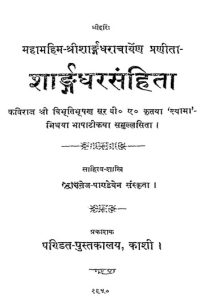
নাড়ী পরীক্ষা (৩য় অধ্যায়) নিয়ে শার্ঙ্গধর চিকিৎসা সংগ্রহ-এ (১২শ থেকে ১৩শ শতাব্দির মধ্যে) বলা হয়েছে – “হাতের আঙ্গুলের গোড়ায় (অঙ্গুষ্ঠমূলে) যে ধমনী আছে, তারা দ্বারা জীবনের অস্তিত্ব জানা যায়। সেই ধমনীর স্পন্দন ইত্যাদি বোঝার চেষ্টা দ্বারা শরীরের সুখ দু;খ অর্থাৎ স্বাস্থ্য অস্বাস্থ্য রোগ আরোগ্য অবগত হওয়া যায়।”[33] (৩.১)
পরে বলা হচ্ছে – “যে নাড়ী থেকে থেকে স্পন্দিত হয়, তা প্রাণনাশ করে এবং যে নাড়ী অতিক্ষীণ বা শীতল তা নিশ্চয়ই প্রাণ বিনাশ করে থাকে।” (৩.৪)[34]
এক্ষেত্রে কী আধুনিক মেডিসিনের arrhythmia-র কথা বলা হচ্ছে?
(৭) নাড়ী পরীক্ষা ছাড়াও মূত্রপরীক্ষা-র মতো বিষয় আয়ুর্বেদের সময়ের সাথে সংস্কারের সময় যুক্ত হয়। এছাড়াও অ্যালকেমির বিভিন্ন অংশ যুক্ত হয় আয়ুর্বেদের মাঝে।[35] এর ফলে আয়ুর্বেদের বহিরঙ্গে কী পরিবর্তন হল? মিউলেনবেল্ডের ব্যাখ্যায় – “major change, already referred to, came about by the blending of Äyurveda and Rasasästra, medicine and alchemy, a conspicuous feature since the times of Cakrapäṅidatta and Vangasena, and becoming more marked since Sārṅgadhara”.[36]
(৮) ইসলামের মেডিসসিন প্রভাবিত করে আয়ুর্বেদকে ১২শ শতাব্দি থেকে, আবার আয়ুর্বেদও প্রভাবিত ইসলামিক মেডিসিনকে। এরকম সময়ের উদাহরণ হচ্ছে – “works on Islamic medicine in Sanskrit are two treatises by Mahädeva, the Hikmatprakäsa and Hikmatpradipa, written in the eighteenth century, both abounding in Arabic and Persian medical terms. The borrowing of drugs from Islamic medicine was not restricted to the first centuries of contact between the two systems, but was a continuing process.”[37]
(৯) এরপরে পশ্চিমী মেডিসিনের সাথে সংযোগ শুরু হয় ১৬শ শতাব্দি থেকে। ফলাফল? “The most characteristic feature of the medical literature of the nineteenth century consists, however, of essentially the same type of syncretism that was already present in preceding centuries, but reinforced now by the influx of elements from Western medicine. These foreign influences became still more pronounced as a result of the professionalisation of Äyurveda and its consequences, such as the establishment of Äyurvedic Colleges.”[38]
আমরা এতক্ষণের সুদীর্ঘ আলোচনায় অন্তত এটুকু বুঝতে পারি যে আয়ুর্বেদের চলন – সেই ক্ল্যাসিকাল সময় থেকে আধুনিক সময় পর্যন্ত – আদৌ একমাত্রিক বা সরলরৈখিক নয়। এর মধ্যে অনেক স্তর এবং উচ্চাবচতা আছে। আয়ুর্বেদের চরিত্র বুঝতে গেলে এবং আয়ুর্বেদ নিয়ে প্রাথমিক আলোচনাও করতে গেলে এ বিষয়গুলো মাথায় রাখা নিতান্ত আবশ্যিক। একেবারে মৌলিক প্রয়োজন।
এখানে উল্লেখ করা দরকার যিস্ক এবং ইয়ামাশিতা-র যৌথ গবেষণাসমৃদ্ধ সাম্প্রতিক গবেষণার কথা।[39] এই গবেষণাকর্মটি বিশেষ গুরুত্বপূর্ণ এ জন্য যে, চরক-সংহিতা-র চিকিৎসাস্থানের কেবলমাত্র দুটি অধ্যায় নিয়ে নতুনতর ব্যাখ্যা এবং পাঠ যুক্ত হয়েছে সুদীর্ঘ পরিশ্রমের ফসল হিসেবে। গবেষকদের ভাষায় – “This study is a step towards the rectification of the long-standing problem in the study of Sanskrit medical literature, namely, the dearth of critical editions and scholarly studies. The plan is to undertake a text-critical edition, translation, and study of the chapter (adhyāya) on potency-therapy (vājīkaraṇa) from the Carakasaṃhitā, a treatise that has been compiled over time and probably completed by Dṛḍhabala sometime in the period between A.D. 300-500.”[40]
পঞ্চম বিষয় – সূত্রস্থান নিয়ে আমাদের সামগ্রিক আলোচনাকে সংক্ষিপ্ত ও সংহত করার জন্য মিউলেনবেল্ড প্রতিটি অধ্যায়ের যে সংক্ষিপ্তসার করেছেন, আমি তাকে অনুসরণ করে আলোচনায় প্রবৃত্ত হব পরবর্তী অধ্যায়ে।
__________________________
[1] CD Sebastian, “Ayurveda and the medical knowledge in ancient India: Shadows and realities”, Indian J Med Ethics Jan-Mar 2022, 7 (1):8-15. Quotation on p. 8.
[2] Ibid, p. 9.
[3] Tabe E. Meindersma, “Caraka and the Materialists”, Wiener Zeitschrif Fur Die Kunde Sudasiens Und Archiv Fur Indische Philosophie (WZKS) Band 36 1998, pp. 299-306.
[4] Ibid, p. 301.
[5] Ibid, p. 305.
[6] Ibid, p. 306.
[7] Kenneth G. Zysk, “The Indian Ascetic Traditions and the Origins of Āyurvedic Medicine”, JEAS 1990, (1): 119-123. প্রায় হুবহু একই কথা Filliozat (J. Filliozat, The Classical Doctrine of Indian Medicine: Its Origin and its Greek Parallels, 1964) বলেছিলেন অনেক বছর আগে – “The sources of the legend concerning the origin of the Ayurveda are more complex … Clearly, this sum-total of mythological facts contains all the elements which have served to constitute the legend of the origin of the Ayurveda upto its leaching by Indra.” (পৃঃ ৩) এ বইয়ের ভূমিকায় Filliozat একটি গুরুত্বপূর্ণ অভিমত রেখেছিলেন (যে মত অনেকাংশে আধুনিক সময়ে মিউলেনবেল্ড বহন করেন) – “Ayurveda need neither be exalted beyond measure nor condemned either for its antiquity or for the failure of those who practise it without prudence. It should be studied as an original system of science and as an exceptional source of medical experience.” (p. XV)
[8] Zysk, “The Indian Ascetic Traditions and the Origins of Āyurvedic Medicine”, p. 119.
[9] Ibid, p. 120.
[10] Ibid, p. 120.
[11] Ibid, pp. 120-121.
[12] I. B. Horner, trns., The Book of Discipline (Vinaya-Piṭika), vol. Iv (Mahavagga), 2007, p. 395.
[13] Ibid, pp. 395-396.
[14] Zysk, “The Indian Ascetic Traditions and the Origins of Āyurvedic Medicine”, p, 122.
[15] Ibid, p. 122.
[16] Sharma and Das, Caraka-Saṃhitā, vol. I, p. xxii-xxiii.
[17] এ প্রসঙ্গে বিস্তারিত ও গভীর আলোচনার জন্য দ্রষ্টব্যঃ Minoru Hara, “A Note on the Sanskrit Word Svastha”, JEAS 1995, (4): 55-87. Hara-র বিশ্লেষণে – “Not only a sound bodily condition, but also a wholesome state of mind, characterised by the absence of mental anguish, is expressed by the same word।.” হারা-র অভিমতানুযায়ী, রাষ্ট্রের “ভালো থাকা”র অর্থেও “স্বস্থ” ব্যবহৃত হয়েছে – “The fearless and gratified state of individuals is further extended to that of the state and government. That government which is furnished with security and welfare is often expressed by the word svastha. Hence its construction with such words as jagat, loka, bhuvana, idam sarvam, and svacakra.” – p. 71.
[18] বিস্তৃত আলোচনার জন্য দ্রষ্টব্য একটি প্রবন্ধঃ Jatinder Kumar, “Chatushka Methodology in Charaka Samhita”, Journal of Ayurveda and Integrated Medical Sciences Jul-Aug 2021, 6 (4): 333-336.
[19] Cakradatta: A Treatise on Principles and Practices of Ayurvedic Medicine, ed. & trns., Priya Vra Sharma, 1994, p. 647.
[20] Ibid, p. 648.
[21] Ibid, p. 649.
[22] Ibid, p. 652.
[23] Sharma and Das, Caraka-Saṃhitā, volume I, p. 49.
[24] Meulenbeld, “The constraints of theory in the evolution of nosological classification: A study on the importance of blood in Indian medicine”, G. J. Meulenebeld & J. Bronkhorst, ed., Medical Literature from India, Sri Lanka and Tibet (of Panels of the VIIth World Sanskrit Conference, 1991, pp. 91-106.
[25] Ibid, p. 91.
[26] Ibid, p. 102.
[27] Ibid, p. 103.
[28] Meulenbeld, “The Many Faces of Āyurveda”, JEAS 1995, (4): 1-10.
[29] Ibid, p. 1.
[30] Ibid, pp. 1-2.
[31] Ibid, p. 3.
[32] Ibid, p. 6.
[33] শার্ঙ্গধর চিকিৎসা সংগ্রহ, সংঃ কালীকিঙ্কর সেনশর্মা এবং সত্যশেখর ভট্টাচার্য, ১৯৯৮, পৃঃ ১৩।
[34] প্রাগুক্ত, পৃঃ ১৩।
[35] Meulenbeld, “The Many Faces of Āyurveda”, JEAS 1995, (4): 6-7.
[36] Ibid, p. 7.
[37] Ibid, p. 8.
[38] Ibid, p. 10.
[39] Kenneth G. Zysk and Tsutomu Yamashita, “Sanskrit Medical Scholasticism—Jajjaṭa’s Nirantarapadavyākhyā and Other Commentaries on the Carakasaṃhitā, Cikitsāsthāna 2.1”, eJournal of Indian Medicine 2018, (10): 1-113.
[40] Ibid, p. 1.






অসাধারণ বিনির্মাণমূলক প্রবন্ধ , অত্যন্ত প্রাসঙ্গিক এবং সময়োপযোগী । পাঠককেও বিনির্মাণ করে ।