
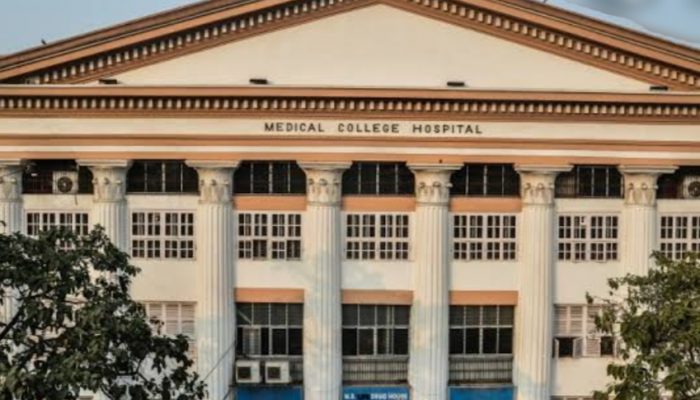
জানুয়ারি ১, ১৮৩৮, কোয়ার্টলি জার্নাল অফ দ্য ক্যালকাটা মেডিক্যাল অ্যান্ড ফিজিক্যাল সোসাইটি-তে রিচার্ড ও’শনেসির একটি মোটামুটি দীর্ঘ পেপার প্রকাশিত হল। এই পেপারটিই পরে ল্যান্সেট-এ ১৯ মে, ১৮৩৮-এ প্রকাশিত হয়। জাতীয় এবং আন্তর্জাতিক স্তরে চার মাসের ব্যবধানে প্রকাশিত হওয়ায় বোঝা যায় পেপারটির গুরুত্ব। পেপারের শিরোনাম ছিল দুক্ষেত্রে দুটি। “Case of enormous Tumor of the upper Jaw” – কলকাতার জার্নালে, “Enormous Tumour of the Upper Jaw Successfully Removed by Operation.” By R. O’Shaughnessy, Esq., M. R. C. S. Demonstrator of Anatomy, Medical College, Calcutta, and Superintendent of the Gurranhatta Dispensary – ল্যান্সেট-এর শিরোনাম।)
বেশ কটি বিষয় চলে এলো। প্রথমত, কে এই রিচার্ড ও’শনেসি? দ্বিতীয়ত, প্রাক-অ্যানেস্থেসিয়া যুগে কিভাবে সম্ভব করেছিলেন এই বিশালাকৃতি টিউমারের অপারেশন? তৃতীয়ত, ল্যান্সেট-এ উল্লেখ করা হয়েছে গরানহাটা ডিসপেনসারির কথা। সেটাই বা কি।
আমি সার্জারির অংশটি দিয়ে আলোচনা শুরু করি। প্রায় সবার জানা, ১৮৩৫ সালের ২৮ জানুয়ারি ফোর্ট উইলিয়াম থেকে এক সরকারি নির্দেশে (G.O. No. 28 of 28th January, 1835 – D.G Crawford, A History of the Indian Medical Service – 1600-1913 (পরবর্তীতে HIMS বলা হবে), vol. 2, pp: 435-439। মোট ৩৫টি ধারা ছিল এই নির্দেশে। সেগুলো নিয়ে পরবর্তী সময়ে আলোচনা করবো।) মেডিক্যাল কলেজের পত্তন হল – এশিয়ার প্রথম আধুনিক মেডিক্যাল শিক্ষার প্রতিষ্ঠান, যেখানে কলকাতার স্কুলের প্রথম সারির ছাত্রদের কেবলমাত্র ইংরেজিতে আধুনিক ইউরোপীয় মেডিসিন, সার্জারি (বিশেষত মৃতদেহের ডিসেকশন) , কেমিস্ট্রি, বোটানি, স্ত্রী রোগ এবং ধাত্রীবিদ্যা সম্পর্কে শিক্ষা দেওয়া হবে। পরবর্তী সময়ে সিলেবাসের প্রচুর অদলবদল হয়েছে, কাঠামোগত পরিবর্তন হয়েছে এবং আরও অনেক প্রসারিত হয়েছে। সে ইতিহাসে প্রবেশ করবো ধাপেধাপে।
যাহোক, হিন্দু কলেজের পেছনে কোন একটি পুরনো বাড়িতে (কারও কারও মতে এখন যেখানে কফি হাউস সেখানে একটি ঘরে) মেডিক্যাল কলেজের প্রথম ক্লাস শুরু হয় ২০ ফেব্রুয়ারি, ১৮৩৫ থেকে। ১৮৩৫-এর মে মাসে এখন যেখানে মেডিক্যাল কলেজ সেখানে পাকাপাকিভাবে সরে আসে। মোট ২০ জন ছাত্রকে বেছে নেওয়া হয় ১০০ জন আবেদনকারীর মধ্য থেকে। মেডিক্যাল কলেজের প্রথম প্রিন্সিপাল জোসেফ মাউন্টফোর্ড ব্রামলে আবেদনকারীদের ঝাড়াই বাছাই করেছিলেন। বোঝা যায়, আজকের তীব্র প্রতিযোগিতামূলক এন্ট্রান্স পরীক্ষার আদিরূপ ছিল এই নির্বাচন প্রক্রিয়া। এগুলো নিয়েও পরে বিস্তৃত আলোচনা করা হবে।
রিচার্ড ও’শনেসির বিবরণ অনুযায়ী ২১ বছর বয়সী উদো মোড়ল (যশোর জেলার গ্রামের বাসিন্দা) যবে ও’শনেসিকে দেখাতে আসে তার প্রায় একবছর আগে বাঁ গালে একটি টিউমার ক্রমাগত বড়ো হতে থাকে। নানারকম জড়িবুটি এবং গ্রামীণ চিকিৎসায় ফল না পেয়ে ৬ নভেম্বর, ১৮৩৭-এ গরানহাটা ডিসপেনসারিতে তাঁকে দেখাতে আসে। ততদিনে টিউমারটি দৈর্ঘে ১২ ইঞ্চি এবং প্রস্থে ১০ ইঞ্চি হয়ে গেছে।
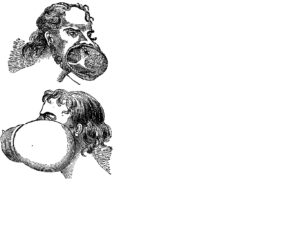
(রিচার্ড ও’শনেসির আঁকা উদো মণ্ডলের টিউমারের সাইজ – নভেম্বর, ১৮৩৭)
ও’শনেসির বয়ানে – “On the 9th, three days after the patient was admitted into the Dispensary, I had him taken to the theatre of the Medical College, where, for the advantage of the pupils, and also as having there better light and room than in any apartment in my Dispensary, l thought it best to operate.” অর্থাৎ, তিনদিন পরে গরানহাটা ডিসপেনসারি থেকে মেডিক্যাল কলেজে নিয়ে এলেন দুটি কারণে – (১) মেডিক্যাল কলেজের অপারেশন থিয়েটার তুলনায় ভালো, এবং (২) ছাত্ররা শিখতে পারবে। এছাড়া আরেকটি কারণও ছিল। সেসময়ে নবগঠিত মেডিক্যাল কলেজের প্যাথলজির মিউজিয়ামে এদেশের দুর্লভ এবং দুষ্প্রাপ্য সমস্ত স্পেসিমেনের সংরক্ষণ করা চলছে। ও’শনেসি বলছেন – “though I was very anxious indeed to procure one for the museum of the Medical College.”
এবার শুরু হল অপারেশন পর্ব। রোগীকে বসানো হল একটি আর্ম চেয়ারে। আমরা ১৮৩৭-এর সালের পৃথিবীতে ভালো অপারেশন টেবিল, অ্যানেস্থেসিয়া এবং সার্জারির উন্নত যন্ত্রপাতি আসেনি। মেডিক্যাল কলেজের সার্জন ডঃ করবিন দাঁড়ালেন রোগীর মাথার কাছে। দ্বিতীয় অ্যাসিস্ট্যান্ট ডঃ গুডিভ বাঁদিকে দাঁড়ালেন। যদি ক্যারোটিড আর্টারি কেটে গিয়ে প্রবল রক্তক্ষরণ শুরু হয় তাহলে গুডিভ সেটাকে চেপে ধরবেন। এরপরে অপারেশনের বিস্তৃত বর্ণনা রয়েছে, যার প্রয়োজন আমাদের নেই। অবিশ্বাস্যভাবে (“During the whole time of the operation, which took near 10 minutes to complete, there was not the slightest need for interference with the carotid artery, or even to place a finger on a spouting vessel; and I should suppose, in all, the patient could not have lost more than from 8 to 9 oz. of blood, no ligatures were required, and a few minutes after the tumor was removed all bleeding ceased.”) ১০ মিনিটের কম সময়ে মাত্র ২২৬ থেকে ২৩০ গ্রাম (১ আউন্স = ২৮.৩ গ্রাম) মতো রক্তপাতের মধ্য দিয়ে সফলভাবে অপারেশন হল। একজন মানুষ সজ্ঞানে রয়েছে, সেখানে এরকম তীব্র বেদনাদায়ক এবং বিপজ্জনক সার্জারি সফলভাবে করা দু-একটি বিষয় আমাদের ভাবতে শেখায় – (১) অ্যানেস্থেসিয়া করার উপায় নেই বলে অতি দ্রুত সার্জারি করতে হবে, (২) যেখানে সমস্ত দেশীয় পদ্ধতি ব্যর্থ হয়েছে তখন ইউরোপীয় ডাক্তার এবং তার কৃৎকৌশল অসাধ্য সাধন করছে (ফলে ইউরোপীয় মেডিসিনের ঔৎকর্ষ জনমানসে অনায়াসে প্রতিষ্ঠা পাবে), (৩) আফিম এবং অ্যালকোহলের মিশ্রণ (laudanum) দিয়ে রোগীকে অনেকটা বেহুঁশ করা হয়েছিল। ও’শনেসির কথায় – “I had given him 80 drops of laudanum before the operation, but in about two hours after it, as he complained loudly of pain, I gave him 1 gr. mur. morphia, which set him to sleep after a short time.” আফিমের ঘোরে দু’ঘন্টা মতো ব্যথা ছিলনা। তারপরে আবার ব্যথা শুরু হওয়াতে মরফিন দিতে হয়।
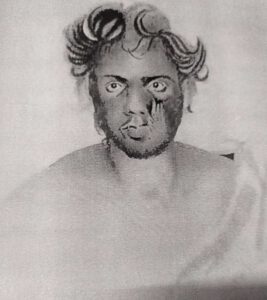
(সার্জারির পরে ও’শনেসির আঁকা সুস্থ রোগীর চিত্র – ডিসেম্বর, ১৮৩৭)
১৪ ডিসেম্বর, ১৮৩৭-এ, অপারেশনের ঠিক ৫ সপ্তাহ পরে “this man was discharged, perfectly cured, and a likeness of him taken on the day before he left the hospital”।
কে এই রিচার্ড ও’শনেসি? মেডিক্যাল কলেজ শুরু করার দিনে দু’জন শিক্ষক ছিলেন – সুপারিন্টেন্ডেন্ট ব্রামলে এবং অ্যাসিস্ট্যান্ট সার্জন হেনরি এইচ গুডিভ। সরকারি নির্দেশবলে (G.O. 10 OF 5th August, 1835) উইলিয়াম ব্রুক ও’শনেসি (রিচার্ড ও’শনেসির খুড়তুতো দাদা) মেটিরিয়া মেডিকা এবং কেমিস্ট্রির অধ্যাপক হিসেবে যোগ দেন মেডিক্যাল কলেজে।
দুবছরের মধ্যেই বোঝা যায় এরকম সংক্ষিপ্ত শিক্ষাক্রম ও সিলেবাস এবং স্বল্পসংখ্যক শিক্ষক নিয়ে ইউরোপীয় পদ্ধতিতে সঠিকভাবে শিক্ষাদান এগোবেনা। এর ফলশ্রুতিতে শিক্ষকের সংখ্যাবৃদ্ধি ঘটে, নতুন বিষয় পাঠ্যসূচীতে অন্তর্ভুক্ত হয়। একই সাথে বিভিন্ন সাবজেক্ট পড়ানোর ধরন পুনর্বিন্যস্ত হয় (বেঙ্গল সিভিল অর্ডার নম্বর ৩৩, ১ ফেব্রুয়ারি, ১৮৩৭ – Crawford, পূর্বোক্ত, পৃঃ ৪৩৯)।
নতুন শিক্ষক হিসেবে যোগ দেন –
(১) সি সি ইগার্টন – সার্জারি এবং ক্লিনিক্যাল সার্জারির অধ্যাপক হিসেবে
(২) ন্যাথেনিয়েল ওয়ালিচ, বোটানিক্যাল গার্ডেনের সুপারিন্ডেন্ট, বোটানির অধ্যাপক
(৩) জন ম্যাককোশ, ক্লিনিক্যাল মেডিসিনের লেকচারার
(৪) রিচার্ড ও’শনেসি – অ্যানাটমির ডেমোন্সট্রেটর
(৫) ডেভিড হেয়ার – মেডিক্যাল কলেজের সেক্রেটারি।
জোয়ান লেন তাঁর A Social History of Medicine গ্রন্থে বলছেন – “The changes in hospitals in the nineteenth-century were in important areas; medical teaching and the whole profession expanded as never before”। (পৃঃ ৮৭)
প্রসঙ্গত, ক্রফোর্ডের মূল্যবান গ্রন্থ থেকে এটুকু যোগ করে দেওয়া ভালো – “McCosh resigned in the following year, 1838, when the lectureship on Clinical Medicine was abolished, and the salary saved devoted to the maintenance of a small clinical hospital, opened on 1st April, 1838, to which an out-patient department was attached. Some further changes were made in the arrangements of the duties of the various chairs by Bengal G.O. of 3rd March, 1841, when H. H. Goodeve was appointed Professor of Midwifery and Anatomy” (পৃঃ ৪৩৯)
ওপরের উদ্ধৃতি থেকে বোঝা যায় বেনিয়া ইস্ট ইন্ডিয়া কোম্পানির কাছে সবচেয়ে গুরুত্বপূর্ণ ছিল “economy of education”। এজন্য একজন শিক্ষক পদত্যাগ করার পরে তার মাইনের টাকা খরচ করা হচ্ছে মেডিক্যাল কলেজে ক্লিনিক্যাল শিক্ষার জন্য সদ্যপ্রতিষ্ঠিত ছোট হাসপাতালের পেছনে। এবং মেডিক্যাল কলেজ তৈরির পশ্চাৎপটে একটি গুরুত্বপূর্ণ কারণ ছিল এদেশে আধুনিক ইউরোপীয় পদ্ধতিতে দেওয়া মেডিক্যাল শিক্ষার স্থান ও ছাত্র তৈরির উৎপাদন গৃহ এদেশেই বানিয়ে নেওয়া যাতে ইংল্যান্ড থেকে প্রশিক্ষিত শিক্ষক আনার বিপুল খরচ বাঁচে।
সামরিক জগৎ থেকে একটি উদাহরণ দেওয়া যেতে পারে। ১৮৬২ সালে প্রকাশিত WJ Moore-এর লেখা Health in the tropics; or, sanitary art applied to Europeans in India বইতে মূর কর্নেল হজসনকে উদ্ধৃত করে জানাচ্ছেন – “the British soldier who now serves in Bengal one year encounters as much risk of life as in three such battles as Waterloo.” (পৃঃ ১৩) ওয়াটারলুর মতো তিনটি রক্তক্ষয়ী যুদ্ধে সৈনিকদের প্রাণহানির যে আশঙ্কা থাকে বাংলায় একবছর চাকরি করলে প্রাণহানির সেরকম ঝুঁকি থেকে যায়। অন্যত্র জানাচ্ছেন – “The loss many hundreds of soldiers, each of whom has cost the state £100 to train to his duty, has resulted from the neglect of sanitary regulations, and it may be added, a long depreciation of the medical department.” অর্থাৎ, স্যানিটারি নিয়মকানুন না মানা এবং মেডিক্যাল ডিপার্টমেন্টকে অবহেলা করার জন্য প্রতিটি সৈনিকের জন্য ১০০ পাউন্ড খরচ করে যে ট্রেইনিং দেওয়া হয় সেটা জলে যায়।
আরেকটি উল্লেখ করার মতো তথ্য এখানে দেওয়া যায়। ১৮৩৮ সালে লন্ডন থেকে প্রকাশিত Report of the Select Committee on Transportation; Together with the Minutes of Evidence, Appendix and Index-এ স্পষ্ট ভাষায় জানানো হচ্ছে – “Native surgeons, educated at the Company’s Medical College in Calcutta, could be easily procured, and would be glad to be employed, at from Rs 25 to Rs 50 per month, with rations and a free passage.” বিপরীতে, একটু আগে আমরা দেখলাম, সেসময়ে একজন গোরা সৈনিককে প্রশিক্ষিত করতে খরচ হত ১০০ পাউন্ড (তখন ১ পাউন্ড = ১০ টাকা)। ৯ জুলাই, ১৮৩১-এ ল্যান্সেট-এ প্রকাশিত “Assistant Surgeons in the East India Company’s Service” প্রতিবেদন থেকে জানা যায় “If he should proceed in one of the Company’s ships, he will have to pay 95l (৯৫ পাউন্ড)”। ১৮৩৫ সালে মেডিক্যাল কলেজের একজন অধ্যাপকের মাইনে ১৫০ পাউন্ড। এজন্য এরা সহজে ইংল্যান্ডে ফিরে যেতনা – বিপুল খরচের ধাক্কায়।
এই খরচ বাঁচানো যে প্রাথমিক চালিকা শক্তি হিসেবে কাজ করেছে সে বিষয়টি আমরা পরবর্তী সময়ে আরও ভালভাবে বুঝবো।
তার আগে অন্য দুয়েকটি বিষয়ে আমরা নজরপাত করতে পারি। রিচার্ড ও’শনেসি যখন তাঁর রোগীকে গরানহাটা ডিসপেনসারি থেকে নিজের শিক্ষকতার স্থল মেডিক্যাল কলেজে নিয়ে আসেন তখন একটি কারণ হিসেবে উল্লেখ করেছিলেন যে তাঁর ছাত্ররা এই অপারেশন ও এর পদ্ধতি স্বচক্ষে দেখবে, শিখবে। এর সুদূরপ্রসারী ফলাফল আধুনিক মেডিক্যাল শিক্ষার ইতিহাসে নতুন জ্ঞানতত্ত্ব এবং মানসিক অভিঘাতের জন্ম নিয়েছে।
প্রথমত, মেডিক্যাল কলেজে ছাত্ররা যখন ইংরেজি ভাষায় সম্পূর্ণত অজানা দেহাভ্যন্তরের তথা অ্যানাটমির রহস্য জানছে কিংবা দেহের অভ্যন্তরের ফিজিওলজি বুঝছে কিংবা কেমিস্ট্রির ক্লাসে ল্যাবরেটরিতে হাতেকলমে রাসায়নিক পরীক্ষানিরীক্ষা চালাচ্ছে তখন একটি নতুন জ্ঞানতাত্ত্বিক জগতের (epistemological praxis) অধিবাসী হয়ে উঠছে তারা। আধুনিকতার কৃৎকৌশল ও উপকরণ গ্রহণ করার উপযোগী নতুন মানসিক জগৎ তথা psyche তৈরি হয়েছে। একে ND Jewson নতুন “medical cosmology” বলে ব্যাখ্যা করেছেন (“The disappearance of the sick-man from medical cosmology, 1770-1870”, International Journal of Epidemiology, ১১ মে, ২০০৯, পৃঃ ৬২২-৬৩৩)।
দ্বিতীয়ত, নতুন ভাষার নতুন শব্দভাণ্ডার এবং প্রকাশভঙ্গিমা একধরনের verbal acculturation ঘটাচ্ছে।
তৃতীয়ত, শবব্যবচ্ছেদ, অপারেশন এবং দেহাভ্যন্তরের উন্মোচন জন্ম দিচ্ছে বিশেষ ধরনের visual acculturation। একই সাথে “ফিলসফি অফ অবসার্ভেশন” তথা দেখার দর্শন বদলে যাচ্ছে। একে ফুকো বলছেন clinical gaze বা রোগীকে ক্লিনিক্যালি দেখা। উপরিতলের দেখা অনুপ্রবিষ্ট হল দেহের অভ্যন্তরে – “The space of configuration of the disease and the space of localization of the illness in the body have been superimposed, in medical experience, for only a relatively short period of time—the period that coincides with nineteenth-century medicine and the privileges accorded to pathological anatomy. This is the period that marks the suzerainty of the gaze”। (ফুকো, The Birth of the Clinic, 2003, পৃঃ ৩-৪)
দেহের ধারণা ব্যতিক্রমহীনভাবে ত্রি-মাত্রিক হয়ে উঠলো। আগের সময়গুলোতে এ ধারণা ছিল দ্বি-মাত্রিক। দেহের অভ্যন্তর উদ্ঘাটিত হল অ্যানাটমিস্ট এবং মেডিসিনের ছাত্রদের কাছে। আমরা প্রাক-ডিসেকশন তথা “ক্লিনিক্যাল গেজ”-পূর্ববর্তী ডায়াগ্রাম দেখলে বিষয়টি সম্যক বুঝতে পারবো।
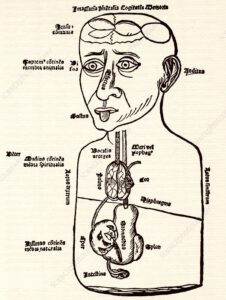
(১৫শ শতাব্দীর একটি ড্রয়িং)
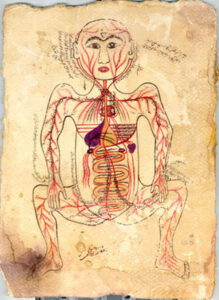
(মধ্যযুগের একটি ড্রয়িং)
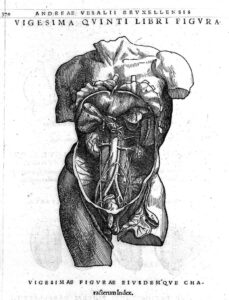
(১৫৪৩-এ ভেসালিয়াসের বইয়ের ড্রয়িং। ১০০ বছরের মধ্যে দেহের বোধের বৈপ্লবিক রূপান্তর। ত্রি-মাত্রিক দেহ।)
উল্লেখ করা দরকার, ফুকো আরও দুটি বিষয়ে জোর দিলেন – (১) “The hospital became viable for private initiative from the moment that sickness, which had come to seek a cure, was turned into a spectacle. Helping ended up by paying, thanks to the virtues of the clinical gaze.” (পূর্বোক্ত, পৃঃ ৮৫), এবং (২) “So much so that the great break in the history of Western medicine dates precisely from the moment clinical experience became the anatomo-clinical gaze.” (পূর্বোক্ত, পৃঃ ১৪৬)
এখানে উল্লেখ করা দরকার, অনির্বাণ দাস এবং সমিতা সেনের লেখা “A History of the Calcutta Medical College and Hospital, 1835–1936”-এ বলা হয়েছে “The ‘birth of the colonial clinic’ is as yet a story untold.” (in Science and Modern India: An Institutional History, c.1784–1947, ed. Uma Dasgupta, pp. 477-521)।
এতদিন ধরে দেহের উপরিতলের উপসর্গ ধরে গ্যালেনীয় humor কিংবা আয়ুর্বেদের ত্রি-দোষ তত্ত্বের ধারণা দিয়ে রোগকে ব্যাখ্যা করার যে যুগ ও পদ্ধতি ছিল তা চিরতরে নির্বাসিত হল। এক নতুন যুগের সূচনা হল। একে Erwin Ackerknecht-এর ধারণাকে অনুসরণ করে বলা হয় “হসপিটাল মেডিসিন”-এর যুগ। আমরা আধুনিক মেডিসিন বলতে যা বুঝি তা প্রকৃতপক্ষে প্যারিসের হাসপাতালগুলোতে অষ্টাদশ শতাব্দীর শেষভাগে জন্ম নেওয়া “হসপিটাল মেডিসিন”-এর যুগ।
Erwin Ackerknecht তাঁর Medicine at the Paris Hospital, 1794-1848 গ্রন্থে চিকিৎসাবিজ্ঞানের ইতিহাসের এ অধ্যায়টিকে বিস্তৃতভাবে ব্যাখ্যা করেছেন। তাঁর ব্যাখ্যা অনুযায়ী – “it was only at the hospital that the three pillars of the new medicine – physical examination, autopsy, and statistics – could be developed.” (পৃঃ ১৫) তাঁর ধারণায় – “These were essentially a consequence of the tremendous influx of uprooted and penniless boys and girls from the country and of the beginnings of the Industrial Revolution.” (পৃঃ ১৫)
এই অভুক্ত, আশ্রয়হীন মানুষগুলো হাসপাতালে গিয়ে ভর্তি হত জীবিত অবস্থায় রোগকে বোঝার ধারক হিসেবে, এবং মৃত্যুর পরে অ্যানাটমির ডিসেকশনের কাজে ব্যবহারের জন্য।
কলকাতাতেও মেডিক্যাল কলেজ প্রতিষ্ঠার মুখে তুলনীয় এরকম এক অবস্থা ছিল – ““Every one (sic) knows that this city contains thousands of poor strangers, of all ranks, without wealth, connexion, or friends, who when afflicted with disease, fly from the city, and receiving medicine, and the prescribed regimen elsewhere, recover: but some die on the road, and many perish for want of two pice worth of medicine. Those who live from hand to mouth cannot obtain proper food or medicine, and for them there is no relief. Those who have no attendance, and no means of obtaining medicine, perish of course by hundreds in the city.” (জেমস পেগস, India’s Cries to British Humanity, ১৮৩২, পৃঃ ২০৩)
এরাও মেডিক্যাল কলেজ বা পুলিস হাসপাতাল বা নেটিভ হাসপাতালে ভর্তি হত জীবিতাবস্থায় ছাত্রদের দেহের ও রোগের ধারণা দেবার ধারক হিসেবে। মৃত্যুর পরে বেওয়ারিশ লাশ হিসেবে মেডিক্যাল কলেজের ডিসেকশন টেবিলে।
তাহলে “হসপিটাল মেডিসিন”-এর আগের ধাপগুলো কি ছিল? চিকিৎসাবিজ্ঞানের ইতিহাসবিদেরা এর আগে দুটি ধাপের কথা বলেছেন – (১) “scholastic medicine” বা শাস্ত্রীয় মেডিসিন, যেমনটা আমাদের ক্ল্যাসিকাল আয়ুর্বেদ চর্চায় হত, এবং (২) “Bedside Medicine” যেমনটা প্যারিসের নতুন হাসপাতালগুলো জন্মের আগে ছোট পরিসরে প্রাক্টিস করা হত। এক্ষেত্রে অত্যন্ত উল্লেখযোগ্য নাম হল অতি প্রভাবশালী চিকিৎসক Herman Boerhaave। একটি মজার উদাহরণ দেওয়া যায়। চীনের সম্রাট অসুস্থ হবার পরে তাঁর সাহায্য প্রার্থনা করে একটি চিঠি লেখেন – Dr. Herman Boerhaave, Europe। এ ঠিকানাতেও তাঁর কাছে পৌঁছে গিয়েছিল চিঠি। (“He was so well known that it was said that he received promptly a letter from China, with the simple address “To Mr. Boerhaave in Europe.” Arturo Castiglioni, A History of Medicine, পৃঃ ৬১৫)।
Ackerknecht-এর ব্যাখ্যায় – “The tweleve beds of Boerhaave’s clinic cannot be compared with the 20,341 persons residing in forty-eight Paris hospitals in 1784.”।
চতুর্থত, আগে রোগীদের বলা sympotoms-এর উপরে ভিত্তি করে চিকিৎসকেরা তথা মেডিসিন রোগের prognosis নির্ধারণ করত। এখন দেহ-সংক্রান্ত ধারণার বোধ পরিবর্তনের রোগীর বলা উপসর্গ আর গুরুত্বপূর্ণ থাকলোনা। ডাক্তারেরা পর্যবেক্ষণ (inspection), হাত দিয়ে অনুভব করা (palpation), স্টেথোস্কোপ দিয়ে দেহাভ্যন্তরের গণ্ডগোল বোঝা (auscultation) এবং percussion-এর সাহায্যে রোগের signs নিষ্কাশন করতে শুরু করল। ফলে রোগীরা তাদের প্রাথমিক গুরুত্ব হারালো। ডাক্তারদের অবস্থান প্রাধান্যকারী তথা একমাত্র হয়ে উঠলো।
পঞ্চমত, কলেজে ক্লাস করার জন্য ঘড়ির সময় ধরে আসা, নিয়মিত ক্লাসে হাজিরা দেওয়া এবং শিক্ষাক্রমের নিয়ম মেনে প্রশ্নপত্রের উত্তর ও নিয়মিত পাঠাভ্যাস তৈরি করা সবকিছুর সম্মিলিত ফল হিসেবে জন্ম নিল আধুনিকতার উপযোগী এক নতুন শৃঙ্খলা এবং পরিচালনার নিয়মাবলী (discipline and governance)।
Jewson-এর ব্যাখ্যা অনুযায়ী, মেডিক্যাল জ্ঞান উৎপাদনের পদ্ধতি মূলগত ভাবে বদলে গেল – “dramatic transformation in the form of medical cosmology occurred at the Parisian hospital schools during the first three or four decades of the 19th century with the introduction of a new mode of production of medical knowledge, here termed Hospital Medicine. The raw materials of medical theorizing now became the innumerable morbid events, occurring within the gross anatomical structures, which presented themselves to the clinical gaze on the crowded wards. Medical investigators concentrated upon the accurate diagnosis and classification of cases rather than upon the prognosis and therapy of symptom complexes.” (“The disappearance of the sick-man from medical cosmology, 1770-1870”, পৃঃ ৬২৪)
এসবের সাথে প্রাক-আধুনিক বা ইংরেজ-পূর্ববর্তী ভারতবর্ষের কোন কিছুর সাথে মেলেনা। কোন কিছুর সাথে খাপ খাওয়ানো সম্ভব নয়।
এজন্য মেডিক্যাল কলেজের এবং আধুনিক মেডিক্যাল শিক্ষার ইতিহাস শুধু চার দেওয়ালের মধ্যে আবদ্ধ কোন শিক্ষাদানের ইতিহাস নয়। এ ইতিহাস নতুন রাষ্ট্রের উপযোগী নতুন নাগরিক তথা সিটিজেন তৈরির ইতিহাস (রাজা-প্রজার ইতিহাসকে অতিক্রম করে)। পরবর্তীতে সমগ্র ভারত জুড়ে ডিসপেনসারি প্রতিষ্ঠার মধ্য দিয়ে governance-এর নতুন টেকনিক ছড়িয়ে পড়েছে বিস্তৃত সমাজজীবনে। ডেভিড আর্নল্ড যেমন বলেছেন – “Medicine was thus seen to be more than liberation from disease. It was also viewed as a means by which Indian society might be liberated from its ignorance and superstition.” (Colonizing the Body: State Medicine and Epidemic Disease in Nineteenth-Century India, পৃঃ ৫৮)
কিন্তু মেডিক্যাল কলেজের জন্মের আগে এর একটি gestation period / period of nativity তথা গর্ভাবস্থা ছিল। একদিনে হঠাৎ করে মেডিক্যাল কলেজ প্রতিষ্ঠার মতো পরিস্থিতি তৈরি হয়নি। এরপরের পর্যায় জুড়ে আমরা এ ইতিহাসের ক্রমোন্মোচন দেখবো। দেখবো মেডিক্যাল কলেজের ক্রমবিকাশ – কি শিক্ষার জগতে, কি সামাজিক জীবনে। টবি গেলফ্যাঁ Medical History জার্নালে প্রকাশিত তাঁর গবেষণাপত্রে হসপিটাল মেডিসিনের পূর্বরূপ এবং সূচনাপর্ব হিসেবে দেখিয়েছেন – “background for the clinic’s nativity, a “gestation period”, which may add to our understanding of its lineage while preserving the notion of a sudden emergence.” এবং “the eighteenth-century surgical clinic served later medical reformers as a useful precedent. Its historical role in the “gestation”of the clinic helps explain why the new medical structure displayed certain specific and general characteristics.” (“The Gestation of the Clinic”)
এখানেই সবিশেষ গুরুত্ব বহন করবে ১৮২২ সালে তৈরি হওয়া নেটিভ মেডিক্যাল ইন্সটিটিউশন এবং সংস্কৃত কলেজে ১৮৩৪ সালে শুরু হওয়া হাসপাতালের গুরুত্ব। সে ইতিহাসে আমরা পরের ধাপে প্রবেশ করবো।




Excellent write up. I myself is a doctor and did my MBBS from Calcutta Medical College. But never knew the history of my college or the first medical college of Asia. Surprised to know that such a great surgery of jaw was done without modern anaesthesia. Happy to learn many more details of the beginning of medical teaching in India.
Pls pls get back to the original name ie. The Medical College, Bengal.
Thank you Jayanta for another excellent article. I have just forwarded this to my daughter Rohini a dentistry graduate from Aberdeen who is starting her maxillo-facial surgery rotation in Lancashire from tomorrow! Whatever may be the financial incentives, I think it is remarkable that Medical College Bengal brought about the birth of surgery in the continent of Asia and this was the result of a wonderful collaborative effort between the British and the Bengalis. Credit to the Brits for their integrity and devotion, credit to the Bengalis for pulling themselves out of the quicksands of superstition and sorcery, even if very slowly and in stages, laying fertile ground on which modern medical practice could develop across the rest of the continent.
Absolutely agree
বেশ লেখা, গুরুত্বপূর্ন ও তথ্য সমৃদ্ধ। তবে ইউরোপীয় চিকিৎসা ব্যবস্থার শ্রেষ্ঠত্ব প্রমাণই কি এই সব পরীক্ষা নিরীক্ষার মূল কারণ? ভারতের আয়ুর্বেদ চর্চায় বা শাস্ত্রে কি শল্য চিকিৎসার কোন প্রামানিক তথ্য নেই? চিনেও কি একই ধারা বিদ্যমান ছিল? জানার ইচ্ছে রইল?
Pls. Pls. Get back to it’s original name The Medical College, Bengal.
আছে। সুশ্রূত সাহিত্যে শল্য চিকিৎসার বিবরন আছে।কিন্ত তার বিবরনে বিভিন্ন নামকরণের সঙ্গে আমার সম্যক পরিচিতি নেই।
Medical college er aadi porbe Naba Kumar Pal bole ayakjon traditional artisan anatomy r model gorten , realistic style e ,maati diye taar kathaa kichhu jana jaay?
অত্যন্ত প্রয়োজনীয় লেখা।
ইতিহাসের সঠিক জ্ঞান সমাজের বর্তমান ও ভবিষ্যত শিল্প-সাহিত্য, জ্ঞান-বিজ্ঞান, সামাজিক কৃষ্টি ও সমাজ-অর্থ নীতিকে সমৃদ্ধ করে।
ডাক্তার জয়ন্ত ভট্টাচার্য মহাশয় অত্যন্ত নীতি-নিষ্ঠ ও সুদূর প্রসারি চিন্তাভাবনার মধ্য দিয়ে বর্তমান ও ভবিষ্যত প্রজন্মের উদ্দেশ্যে এধরনের প্রবন্ধ পরিবেশন করছেন। একজন প্রকৃত সমাজ বিজ্ঞানীর দৃষ্টিকোণ থেকেই তিনি নিরন্তর এই গবেষণামূলক কাজ করে চলেছেন। আমি অভিভূত।
গবেষক, সমাজসচেতক এবং প্রতিটি শিক্ষিত ব্যাক্তিরই ” নিজ নিজ ঘরানার ” ইতিহাস বিষয়ক জ্ঞানের আলোকে নিরন্তর সমৃদ্ধ হওয়া উচিত।
Dear Jayanta — as per my talk with you last night — when I opened up my “Mail Box” this morning– your fascinating write up — stared up with its captivating title and brilliant academic composition supplemented with convincing references — a Gem of classical Medical History . It belongs to a genre of literary scientific essays — almost “extinct” in todays frivolous corporate glitched atmosphere. Needles to say — I learned anew many a vignettes of nineteenth century Calcutta and its expanding encounters with marvels of scientific medicine of Renaissance soaked Britain. In a time when Pseudo Nationalistic upsurge is busy turning the clock backwards — you are free from that masquerading parade — though I know you to be a Vanguard of Progressive Ideas. My heartfelt Kudos to you — nirmalyada
?????
যদিও আমি ডাক্তারি বিষয়ে একেবারেই অনভিজ্ঞ। তবুও এতো সুন্দর একটি তথ্য সমৃদ্ধ লেখা পড়ে ঋদ্ধ হলাম। অনেক কিছুই জানতে পারলাম। অসংখ্য ধন্যবাদ জানাই শ্রদ্ধেয় ডাক্তার বাবুকে। আপনি আমাদের গর্ব, ভালো থাকবেন। বিনম্র শ্রদ্ধা জানাই।
এতো রত্নের খনি আবিষ্কার। আমি যেন পাই ভাই। বই হয়ে বেরোলে বোলো। কিনবো। মরার আগে আরো কিছু শিখি।
বেশ দীর্ঘ প্রবন্ধ। দেখার সঙ্গে সঙ্গে পড়তে পারিনি সময় অভাবে। যত্ন করে রেখে দিয়েছিলাম । আজ পড়লাম । পড়ে ঋদ্ধ হলাম। সবচেয়ে ভালো লাগলো যে বিষয়টা তাহল শুধু নতুন নতুন ঘটনাক্রমের সমাবেশের বদলে তৎকালীন সামাজিক প্রেক্ষাপট ও নতুন ঘটনাক্রমের ফলে যে মানসিক ও সামাজিক পরিবর্তন তার গুরুত্ব। খুব ভালো প্রবন্ধ, লেখাও প্রাঞ্জল ও তথ্য সম্বৃদ্ধ । পরবর্তি পর্বের অপেক্ষায় থাকলাম ।
Khub valo laglo . Anek kichhu janlam. Medical er to kichhui bujhi na ,tor lekhata pore history abang samokalin samajik abosthar kathao janlam. R etai lekhar akta baro boisishtyo. Anekei lekhe kintu samokalin samajik poristhititao na janle sei lekhar marmartho thikmato bojha mushkil. Excellent lekhoni tor.
What a walk down the lane of glorious history of our Alma mater .
Extensively researched
Bringing to light the courage and dedication of the then surgeons and others .
To try & accomplish things within available funds is also very important to make it financially viable.
Look forward to the next chapter
কলকাতা মেডিকাল কলেজে সার্থক চিকিৎসার গোড়াপত্তনের এমন বিস্তারিত তথ্য সংগ্রহ এবং তা আমাদের মত পাঠকদের বোধগম্য করে পেশ করে আপনি যে মুন্সীয়ানা দেখিয়েছেন ডঃ জয়ন্ত, তার জন্য আপনাকে নমস্কার জানাই।
রোগী বা রোগীর শুভার্থী হিসেবে গত পঞ্চাশ বছর নিয়মিত যাতায়াত করেছি। অবশ্য অনেক বন্ধু এবং তাদের উত্তর পুরুষ/কন্যাও ওখানে পাঠ নিয়েছেন। শুনেছি অনেক ঐতিহাসিক স্মৃতি বা তথ্য। কিন্তু চিকিৎসাবিজ্ঞানের সাথে সম্পৃক্ত এত তথ্য কখনও একসাথে পাই নি।
ধন্যবাদ আপনাকে।
এই লেখা হয়তো বর্তমান প্রশাসকদের সচেতন করবে যাতে তারা এই ঐতিহ্যবাহী কলেজটির হৃত গৌরব ফেরাতে সচেষ্ট হতে পারেন।
Asiar prothom Medical college er gorar diker itihas niye onek kichu janlam. Onek samridhyo holam. Er porer series er lekha gulir opekhai thaklam karon aro onek kichu apnar lekha theke janar achhe sir
একটি গুরুত্বপূর্ণ দলিল বলা যেতে পারে এই গবেষণা ধর্মী লেখা কে।অনেক কিছু জানা গেল।ধন্যবাদ জয়ন্ত দা কে।
This extensively researched article speaks eloquently about Jayanta Bhattacharyyas erudition and analytical acumen. He has traced the history and development of Medical College vis a vis the foundation of modern medical science in our country. He proves his contention that modern medical science with its clinical gaze and insistence on morbid anatomy paves the path for liberation of the people from the disease as well as the moorings of superstitions and pre-modern concepts.
Deserves to be included in a compendium of papers on history of modern medicine in India .
Quite a long essay. I could not read immediately due to lack of time. I took care of it. I read today. I fell and became rich. What’s best is that the issue is the importance of the current social context and the emotional and social change that results from the new events, rather than just a gathering of new events. Very good essay, writing is also clear and rich in information. Looking forward to the next episode
Joto Pori tototai sikte pari,jante pari..sob tai tmr jnno ?? proud of you ♥️
অসাধারণ একটি লেখা । পড়ে সমৃদ্ধ হলাম ।
কি অসাধারন লেখা।A splendid job. Jayanta is of course talking of about medicine but more so talking about the development of medical science in India.
What a wonderful explanation he is giving that learning science opens the “inner eye”. After learning Anatomy in the dissection room the two dimensional body in mind becomes three dimensional.
These kind of article is very difficult to write it is beyond the scientific knowledge of body. Here in one footing he is catching the history, our society and advancement of the medical science.?
Fantastic. Keep writing and make us wise
তথ্যপূর্ণ…কিন্তু তথ্যভারাক্রান্ত নয়।প্রসাদগুণ লেখাটিকে তরতরিয়ে এগিয়ে নিয়ে যাচ্ছে?
Dear Dr Jayanta — apropos my earlier comment on 1st September — I am again coming back to your “blog” on CMC -1st. part . It is to clear my doubt as to when from the CMCH started functioning in its present venue? To the best of my knowledge in 1835 Martin and Company — who were given the contract of building its edifice — was not ready to hand it over for functioning in its real intent. 26 th January 1835 was Monday — it was when — “first Brick laying ce remony was celebrated with GREAT POMP and SHOW at the present venue. The Ceremony was presided over by Governor General of Colonial British India Lord William Bentinck — invited gentries included David Hare, D.W.Bethune , Prince Dwarkanath Thakur, Prasanna Kumar Thakur , Great Philanthroper Motilal Seal , Dewan Kaviraj Ramcomal Sen, Radha Kanta Dev etc. Obviously it took quite a few years to built that imposing Athaenian Style edifice with magnificent flight of stairs — leading to historic Martin Ward. Anatomy demonstrator cum Surgeon — Richard O’ Shaughnessy must have done the surgery in Garanhata Dispensary ( which was actually Strand Road MAYO HOSPITAL — which was incidentally second Western Medicne Hospital in Calcutta — first being European General Hospital — only ment for Europeans — today’s SSKM hospital. Yesterdays Mayo Hospital was also the site of 1822 Native Medical School and Hospital till ?1834 and continued to house Opthalmic Diseases and Surgery centre for Calcutta Medical College till Eye Infirmery Building came up in its present location at a much later day. If my memory does not betray me CMCH funtionally shifted to its present location some time in 1840s. In 1876 Albert Hall was built — in the open Ground in-front of Sanskrit College – with Green Lawns — by Bhramo Samaj leader Kesab Ch. Sen ( in memory of Queen Consort Albert – Prince of Saxe -Coburg -Gotha of Germany)–for public lectures and intellectual discourses. The area was certainly not so crowded as we see now. Even in my childhood schooldays — Saraswati Puja of Hare School, Hindu School, Milad -e- Nabi entertainment sessions of Muslim Students and Christmas Party of Christian students from Hare School used to be held in Albert Hall. It morphed into “Coffey House” only in 1947. The first famous Anatomy Dissection Session took place in a small room in South East corner of SANSKRIT SCHOOL (overlooking “GOLDIGHEE”) building under Prof. Goodive ‘s supervision.
Dear Nirmalyada,
I will restrict myself only on two issues. First, Bentinck left India in 1835, just after signing the GO regarding CMC. So, it was Lord Auckland and the Bishop of Calcutta presided over inaugural ceremonial programme. Second, in May, 1835, CMC came to be functioning from the present posituon we see now. Before that, from February, 1835 to May, 1835, the classes were taken in an old building behind the Hindu College. Some unverified accounts say it was the Albert Hall.
“ইতিহাসের অন্দরমহলে (১৮২২-১৮৬০)ঃ এশিয়ার প্রথম মেডিক্যাল কলেজ এবং আধুনিক মেডিসিন শিক্ষার ইতিবৃত্ত (প্রথম অংশ)” – লেখাটা পড়লাম। দেরি হল। অত্যন্ত তথ্যবহুল লেখা। সার্জারির গোড়াপত্তন থেকে বেদনা নাশক আফিম থেকে মরফিন সব প্রসঙ্গ ছুঁয়ে গেছে লেখাটা। সমৃদ্ধ করলেন। ধন্যবাদ।
বেশ সুন্দর লেখা।
অনেক অজানা তথ্যে সমৃদ্ধ হচ্ছি!
আরও ভালো লাগছে তত্ত্ব ও তথ্যের ভারসাম্যতে
অজানা ইতিহাসে নিজেকে সম্বৃদ্ধ করলাম। প্রাক অ্যানাস্থেসিয়া যুগের এই অসাধ্যসাধন অসাধারণ।